



Cruce del Canal Beagle
Espacio cardioprotegido
World Open Water Swimming Federation (WOWSF)

Crossing the Beagle Channel

Union of Chile with Argentina

What stands out

Beagle Channel

The Beagle Channel, located at the southern tip of South America, is known as one of the southernmost places on the planet, often referred to as “the End of the World.” This region, part of the Tierra del Fuego Archipelago, has a unique geographical, historical and cultural significance.

Mapa del cruce del Canal Beagle

Highlights of the crossing

Distance of the crossing

There are two possible distances on this route, one of 1.5 km and the other of 8 km

Departure and arrival points

1.5 km from Punta Cabo Peña (CL) to Punta MacKinley (ARG).
8 km from Puerto Almanza to Puerto Williams.

Challenges of crossing

Strong winds, rain, fog, low temperatures both in the water and in the air

Water temperature at the Beagle Channel crossing

Water temperature plays a crucial role in the swimmers' experience.

The waters of the Beagle Channel are extremely cold, with temperatures ranging between 5°C and 10°C (41°F to 50°F) year-round. These conditions represent a considerable challenge for swimmers, who must be adequately prepared and equipped to withstand the cold.

Use of neoprene permitted at the crossing

With Neoprene

Wetsuits provide insulation against the cold and additional buoyancy, making swimming easier. cold waters like those of the Beagle Channel.

Without Neoprene

Swimming without a wetsuit is a more challenging feat, reserved for the most experienced swimmers. This modality has significant historical value, reflecting the first crossings made without the aid of modern suits.

Planning and strategies for crossing

Study of tides and currents

Before each crossing, a detailed study of tide tables and current predictions is carried out. This analysis allows the organisers to choose the best time to start the crossing and plan the most efficient route for the swimmers.

Navigation and Support

The support boats are equipped with GPS and current monitoring systems and play a crucial role in navigation. These boats guide swimmers toward favorable currents and help them avoid turbulent areas and adverse currents.

Training of swimmers

Swimmers receive specific training on how to manage currents, including swimming techniques to take advantage of favorable currents and strategies to conserve energy during adverse currents.
Currents and winds in the Beagle Channel Crossing are key elements that affect both the safety and duration of the swims. Proper planning, accurate knowledge of the prevailing currents, and the ability to adapt continuously during the crossing are essential to ensuring the swimmers' success and safety. The Triple Crown of the End of the World applies these strategies and measures to ensure that each crossing is carried out safely and efficiently for all participants.

Safety measures

risk assessment

Before each crossing, a thorough weather risk assessment is carried out, including analysis of wind patterns and short-term forecasts.

Windows of opportunity

Crossings are scheduled during windows of opportunity when weather conditions are expected to be more favorable. This minimizes the risk of strong winds and significant waves.

Safety equipment

Support boats are equipped with communication devices, GPS and human first aid equipment. Other support vehicles are also used to accompany swimmers in the water and provide immediate assistance if necessary.

Emergency protocols

Detailed emergency protocols are in place to respond quickly to any changes in weather conditions. These include evacuation plans and procedures to deal with situations of hypothermia or disorientation.

Characteristics of the crossing

The Beagle Channel is an important maritime route and is used by various types of vessels, including cargo ships, tourist cruise ships and fishing boats. Due to the ship traffic, it is Meticulous coordination and precautions are essential additional measures to ensure the safety of swimmers during the crossing.

The currents in the Beagle Channel are strong and variables, influenced by tides and wind. These currents can be unpredictable, which adds an extra level of difficulty to the crossing. Careful planning and knowledge of current conditions are crucial to the success of the crossing.

The weather in the Beagle Channel is highly variable and can change rapidly. Swimmers may face strong winds, rain and low air temperatures. Visibility can also be affected by fog and precipitation, requiring constant vigilance and flexibility in crossing planning.

The Beagle Channel swim is usually scheduled during the hours of daylight to maximize safety and visibility. Typically, The crossings begin early in the morning, when conditions are usually more stable and ship traffic is lower. The exact time may vary depending on weather conditions and currents on the specific day of the crossing.

One way or round trip

One-way: This type of crossing, which connects a point in Chile with a point in Argentina, is the most common and is less demanding than the round trip.

Round trip: This type of crossing involves swimming from one country to the other and back, doubling the distance and time in the water, and increasing the challenges.

During the crossing, the supplies are essential to maintain energy and hydration. Swimmers receive isotonic drinks, water and energy-rich foods from support boats. This process must be fast and efficient so as not to stop the swimmer's progress.

Dizziness and vomiting: These are common due to the movement of waves and currents. Maintaining good hydration and avoiding heavy foods before the crossing is crucial.

Cramps: Cramps can be caused by cold, fatigue and dehydration. Good nutrition and stretching before and during the crossing can help prevent them.

OFFICIAL CERTIFICATION

At the conclusion of the test, and after verification by the team that it has been completed in accordance with the established standards, the Association will provide official documentation certifying the successful completion of the challenge. This documentation is recognized by the official entities that regulate international competitions. In addition, participants will be added to the official registry of swimmers who have crossed the Río de la Plata, the Beagle Channel or the Strait of Magellan in their various modalities.

Are you interested in signing up for the Beagle Channel crossing?

Other crossings that may interest you

Río de la Plata

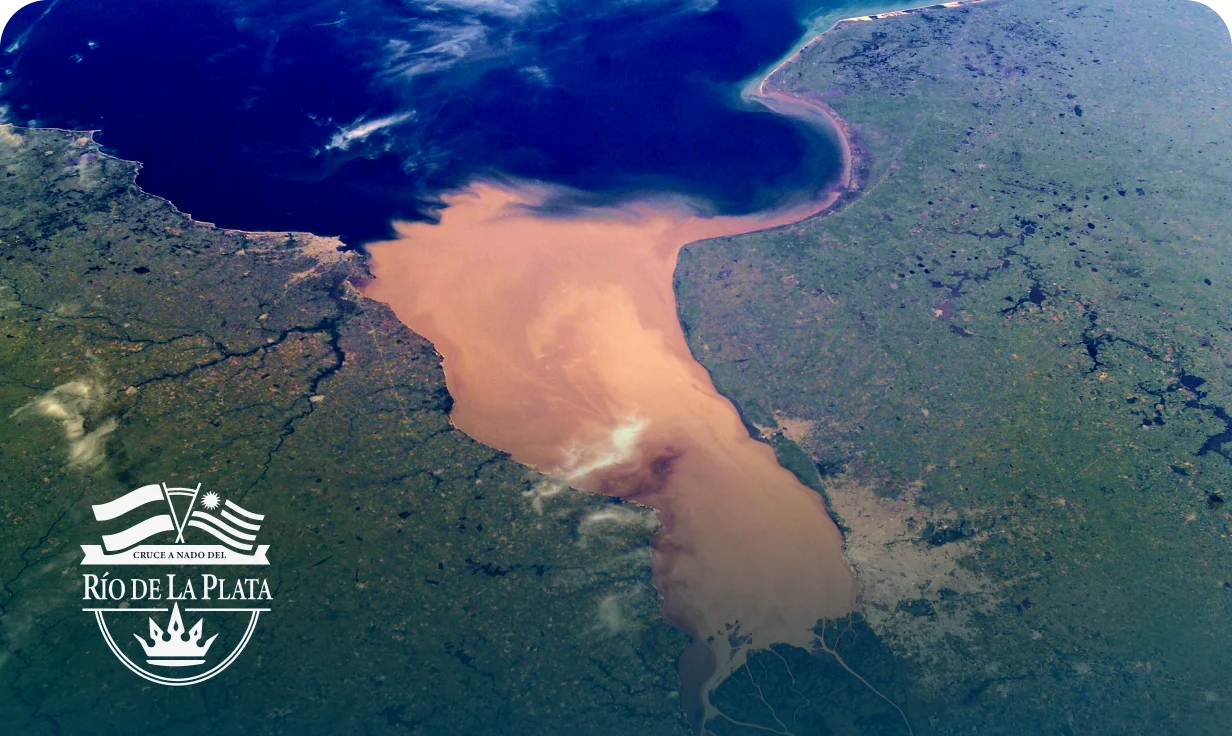
The Río de la Plata Crossing is a test of endurance and tenacity. This iconic crossing connects Uruguay and Argentina, traversing one of the widest rivers in the world. With a distance of approximately 42 km, swimmers face changing currents and variable weather conditions. This crossing not only tests the physical capacity, but also the mental capacity of each swimmer.

Strait of Magellan

The Strait of Magellan Crossing is an epic challenge that traverses one of the world's most historic maritime routes. Located at the southern tip of Chile, this 5-km crossing tests swimmers with extremely cold waters and powerful currents. This crossing is a true test of courage and endurance.

Are you ready to swim across the straits at the end of the world?

A unique challenge in Latin America for swimmers seeking unparalleled adventures.
Argentina, Uruguay and Chile in the Triple Crown of the End of the World.

Triple Corona del Fin del Mundo