



NOVEMBER 29 – 30 and DECEMBER 1, 2024 – USHUAIA ARGENTINA
Welcome to the southernmost voyage in the world

FRIDAY, November 29
-Technical talk, accreditation and delivery of kits. -Dinner included.

SATURDAY November 30th
-First attempt to swim across the Beagle Channel in Posta. 40th anniversary -Lunch Included -Dinner Included

SUNDAY, 1st December
Second attempt at swimming across the Beagle Channel in Posta. 40th anniversary.

This event commemorates the 40th anniversary of the Treaty of Peace and Friendship between Argentina and Chile, symbolizing the union between both countries through swimming in one of the most emblematic areas of the world: Ushuaia on the Beagle Channel.
The crossing begins in Puerto Navarino Chile and ends in Puerto de Ushuaia Argentina, 14 km of team swimming to unite both countries.
I know nothing without wetsuit, testing the skills and endurance of participants in extreme conditions.
Meeting Date: Ushuaia City, Tierra del Fuego, November 29, 2024.

Special KIT Event 40 years TPA-Argentina-Chile.
Event T-shirt and Brand giveaways.

Personal Accident Insurance.
Your safety is the most important thing.

Official Certification of Swimming Crossing the Beagle Channel in Relay Mode.
For the wall of your great achievements.

Before each crossing, a detailed study of tide tables and current predictions is carried out. This analysis allows the organisers to choose the best time to start the crossing and plan the most efficient route for the swimmers.

Support vessels equipped with GPS and current monitoring systems play a crucial role in navigation. These vessels guide swimmers towards favorable currents and help them avoid turbulent areas and adverse currents.

Swimmers receive specific training on how to manage currents, including swimming techniques to take advantage of favorable currents and strategies to conserve energy during adverse currents.
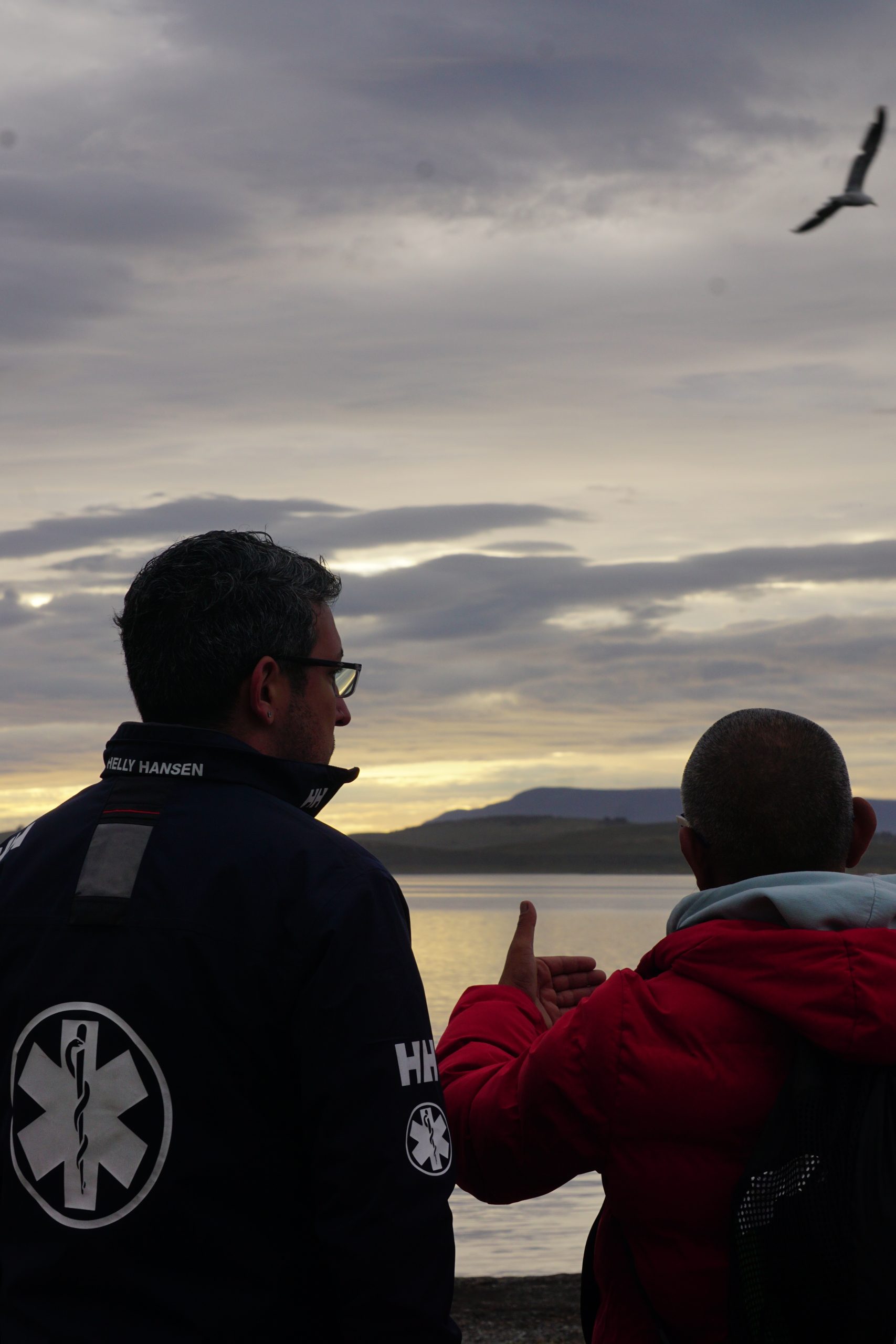
Currents and winds in the Beagle Channel Crossing are key elements that affect both the safety and duration of swimming crossings. Proper planning, precise knowledge of the prevailing currents, and the ability to continually adapt during the crossing are critical to ensuring the success and safety of swimmers. Swimming Argentina applies these strategies and measures to ensure that each crossing is carried out safely and efficiently for all participants.
risk assessment
Before each crossing, a thorough weather risk assessment is carried out, including analysis of wind patterns and short-term forecasts.
Windows of opportunity
Crossings are scheduled during windows of opportunity when weather conditions are expected to be more favorable. This minimizes the risk of strong winds and significant waves.
Safety equipment
Support boats are equipped with communication devices, GPS and human first aid equipment. Other support vehicles are also used to accompany swimmers in the water and provide immediate assistance if necessary.
Emergency protocols
Detailed emergency protocols are in place to respond quickly to any changes in weather conditions. These include evacuation plans and procedures to deal with situations of hypothermia or disorientation.

The Beagle Channel is an important maritime route and is used by various types of vessels, including cargo ships, tourist cruise ships and fishing boats. Due to the ship traffic, it is Meticulous coordination and precautions are essential additional measures to ensure the safety of swimmers during the crossing.
The currents in the Beagle Channel are strong and variables, influenced by tides and wind. These currents can be unpredictable, which adds an extra level of difficulty to the crossing. Careful planning and knowledge of current conditions are crucial to the success of the crossing.
The weather in the Beagle Channel is highly variable and can change rapidly. Swimmers may face strong winds, rain and low air temperatures. Visibility can also be affected by fog and precipitation, requiring constant vigilance and flexibility in crossing planning.
The Beagle Channel swim is usually scheduled during the hours of daylight to maximize safety and visibility. Typically, The crossings begin early in the morning, when conditions are usually more stable and ship traffic is lower. The exact time may vary depending on weather conditions and currents on the specific day of the crossing.
One way or round trip
Ida alone: This type of crossing, which connects a point in Chile with a point in Argentina, is the most common and less demanding than the round trip.
Round trip: This type of crossing involves swimming from one country to the other and back, doubling the distance and time in the water, and increasing the challenges.
During the crossing, the supplies are essential to maintain energy and hydration. Swimmers receive isotonic drinks, water and energy-rich foods from support boats. This process must be fast and efficient so as not to stop the swimmer's progress.
Dizziness and vomiting: These are common due to the movement of waves and currents. Maintaining good hydration and avoiding heavy foods before the crossing is crucial.
Cramps: Cramps can be caused by cold, fatigue and dehydration. Good nutrition and stretching before and during the crossing can help prevent them.
At the conclusion of the test, and after verification by the team that it has been completed in accordance with the established standards, the Association will provide official documentation certifying the successful completion of the challenge. This documentation is recognized by the official entities that regulate international competitions. In addition, participants will be added to the official registry of swimmers who have crossed the Río de la Plata, the Beagle Channel or the Strait of Magellan in their various modalities.